Category: Government
-

Food prices push August inflation rate to 9.7%
The continuous rise in the prices of food items continues to dominate overall inflation in Ghana. Data from the Ghana Statistical Service indicates that the year-on-year inflation rate for August 2021 stood at 9.7. Food inflation in the month of August stood at 10. 9 relative to nonfood inflation of 8.7 which indicates a differential…
-

GUTA backs calls for reversal of 50% benchmark value reduction on crude palm oil
The Ghana Union of Traders Association (GUTA) has backed calls by the Oil Palm Development Association of Ghana and the Artisanal Palm Oil Millers and Outgrowers Association of Ghana for the scrapping of the 50% Benchmark Value Reduction Policy on crude palm oil and palm kernel oil. According to GUTA, even though the country cannot…
-

Peter Quartey hails Government’s approach to setting up Development Bank Ghana
Director of the Institute Of Statistical, Social And Economic Research, ISSER, Prof. Peter Quartey believes the government is on the right track with its approach in setting up the new Development Bank Ghana. The Development Bank according to the Director of the Financial Sector Division of the Ministry of Finance, Samson Akligoh is being set…
-

1st Deputy BoG Governor proposes strategies to propel economic recovery
The First Deputy Governor of the Bank of Ghana, Dr. Maxwell Opoku-Afari has prescribed a number of remedies to aid the recovery of the local economy following the Covid-19 pandemic. Addressing a public lecture organised by the University of Ghana Business School Under the theme, “Re-Thinking Development Finance: Macroeconomic Management When The Love is Gone,”…
-
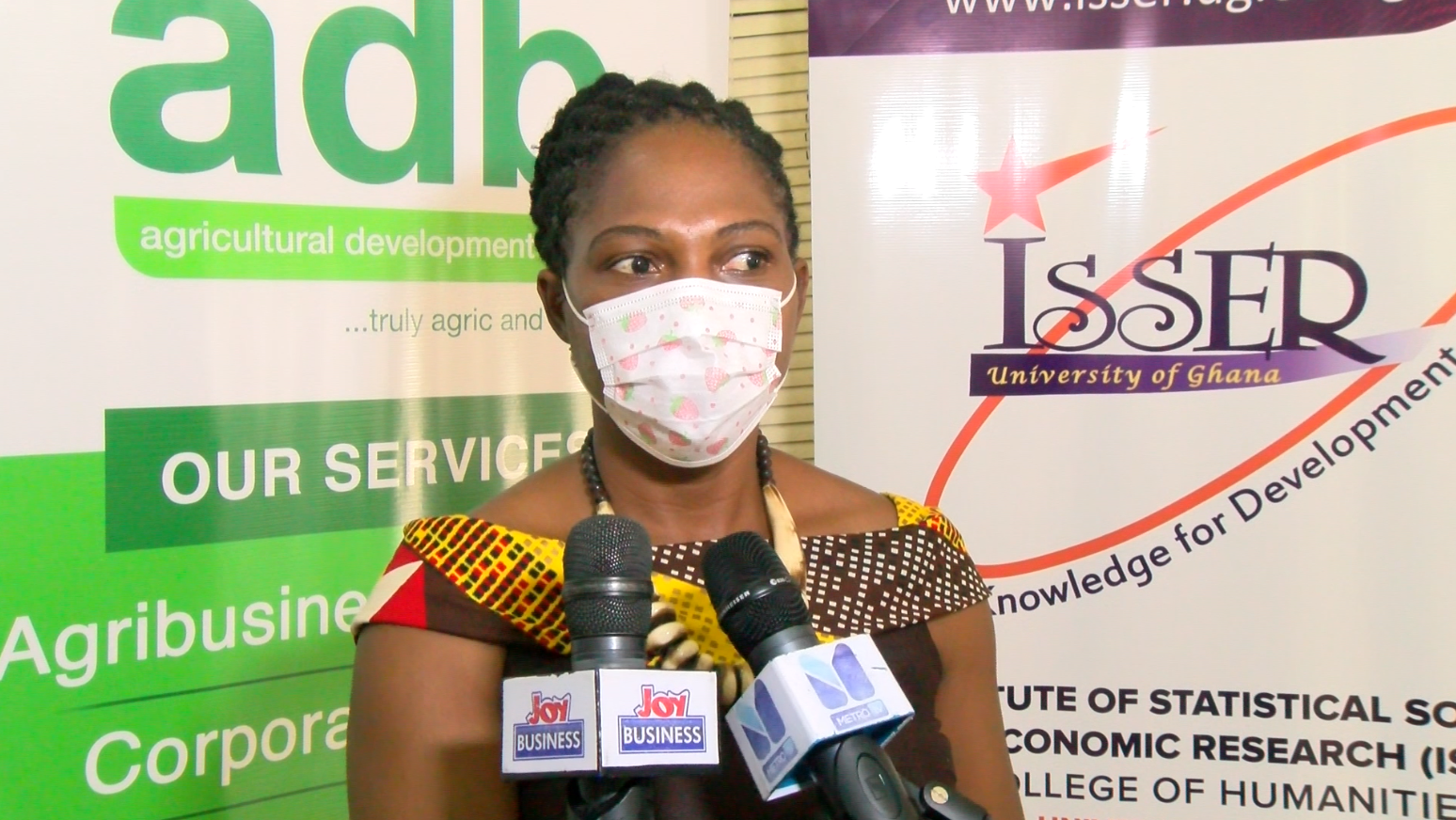
Social mandate of DBG should not override commercial interest – Dr. Vera Fiador
A senior lecturer at the Department of Finance of the University of Ghana, Dr. Vera Fiador says even though the Development Bank Ghana (BBG) is being established with a social mandate of providing patient capital for specific sectors of the economy, Investment drawings from the bank must also be financially sustainable. DBG is being established…
-

‘Only’ two million taxpayers in Ghana not enough – Deputy BoG boss
The First Deputy Governor of the Bank of Ghana, Dr. Maxwell Opoku-Afari says it’s unsustainable for only two million taxpayers to carry the tax burden of the over 30 million Ghanaian population. Even though there are over 16 million users of the various mobile money platforms indicating financial activity for which taxes should be filed,…
-
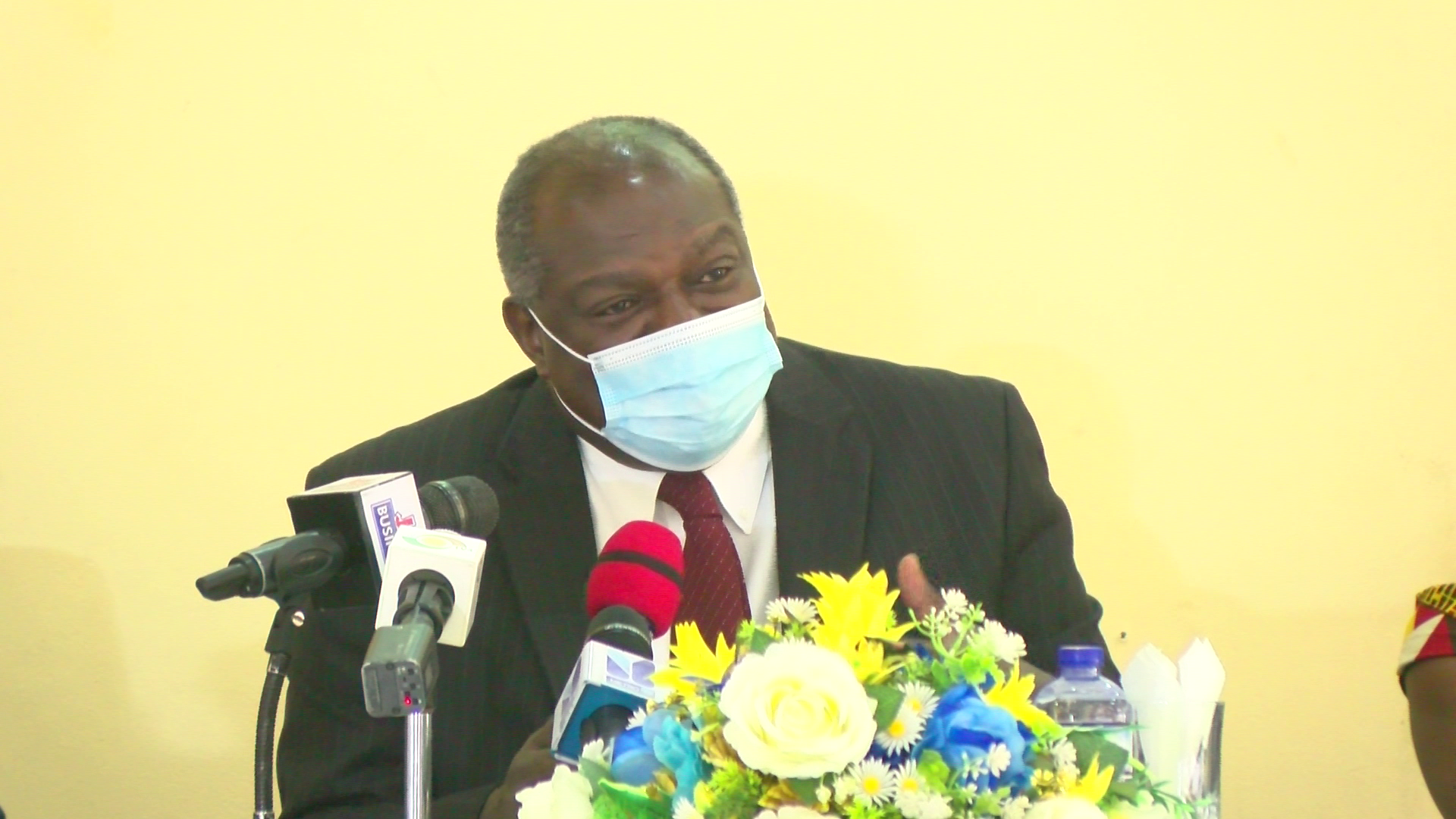
DBG will fail if politicians, others interfere in its operations – Prof. Aryeetey
Secretary-General of the African Research Universities Alliance and a former Vice-Chancellor of the University of Ghana, Prof. Ernest Aryeetey, has cautioned the government against the establishment of another development bank that lends itself to unnecessary influence from politicians and civil servants. Professor Arteetey, a Development Economist, said the failure of previously established Development banks can…
-
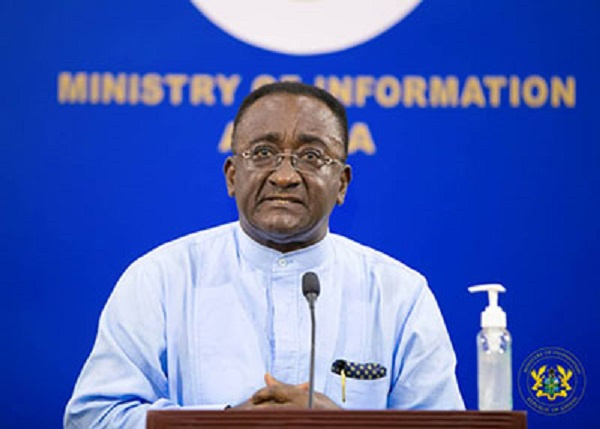
Agric export earnings to grow by 8 fold within 10 years – Agric Ministry
Agriculture, albeit not receiving as much attention as is desired, is currently contributing about US$2.5 billion to Ghana’s GDP through export earnings. The Agric Ministry is predicting an 8-fold increase in that amount in the next 10 years. The growth is expected to be induced by strategic arrangements by the Agric Ministry to improve crop…
-

GRA to clamp down on tax defaulters after September 2021
The Commissioner-General of the Ghana Revenue Authority (GRA), Rev. Ammishaddai Owusu-Amoah says the authority will descend heavily on taxpayers who continue to default after the recent amnesty period elapses by the end of September 2021. Tax defaulters who have failed to pay taxes due the state for the past years or failed to file their…
-
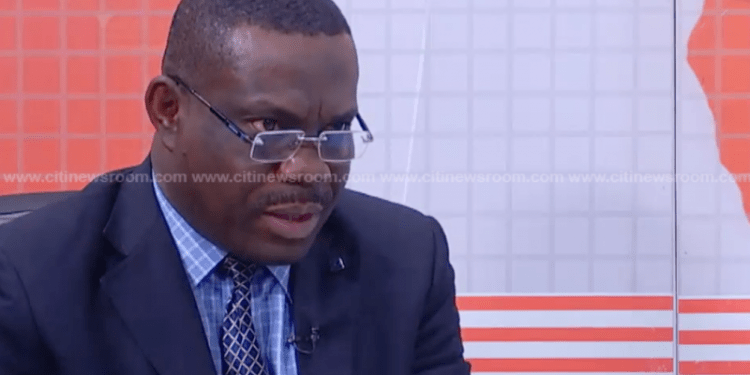
Interferences, fragmented front to blame for ineffectiveness of internal auditors – Dr. Oduro Osae
The Director-General of the Internal Audit Agency, Dr. Eric Oduro Osae, has blamed management interference in the work of internal auditors, hence their inability to prevent unchecked payments in public institutions. The 2020 report of the Auditor-General have amongst other things revealed numerous infractions and irregular payments on the part of various state institutions amounting…